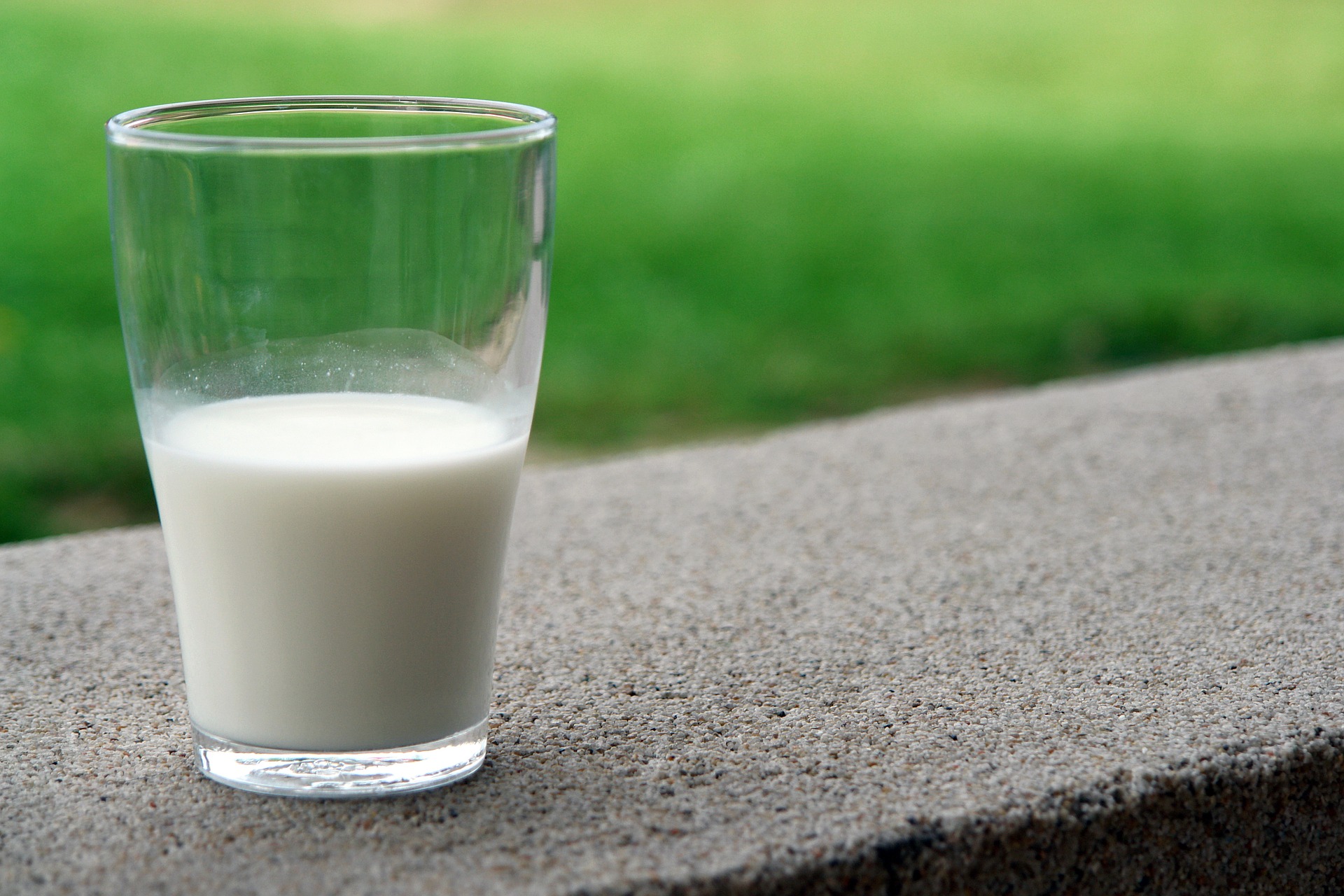
Milk from farm to table
Providing safe, high-quality milk begins on the dairy farm. Dairy farmers follow strict standards and best management practices to ensure the milk produced by their cows is wholesome, nutritious, and safe for consumers.
Cows are typically milked two to three times each day using modern milking equipment designed to collect milk efficiently and comfortably. Before milking, each cow's udder is carefully cleaned and sanitized. Once collected, the milk travels through refrigerated stainless-steel pipes into a bulk storage tank, where it is rapidly cooled to preserve freshness and quality.
Before milk leaves the farm, it is tested and transported to a processing facility where it undergoes additional quality and safety checks. The milk is then pasteurized and homogenized before being packaged and delivered to stores.
Milk Safety Facts:
- Milk is cooled to approximately 36°F–38°F shortly after it is collected.
- Every load of milk is tested to help ensure quality and safety standards are met.
- Pasteurization destroys harmful bacteria by heating milk to a specific temperature for a short period of time and then rapidly cooling it.
- Homogenization breaks down fat particles so the milk remains smooth and consistent.